Affichage des articles dont le libellé est Amerique. Afficher tous les articles
Unknown

Fremont Street Experience

By  
See where Vegas began on legendary Fremont Street, now a pedestrian-only area with free nightly shows and special events.
In the center of the city, Fremont Street is a five-block pedestrian zone where vintage Vegas meets modern technology. Set against some of Sin City’s classic neon signs, you’ll find live bands, roaming street performers and a captivating light show.
The first street in the city to be paved, Fremont was a beacon for visitors in the 1950s, with famous casinos like the Eldorado Club, the Golden Nugget and the Pioneer Club. The Northern Club, at 15 E. Fremont St, was the first to obtain a Nevada gaming license in 1931, the same year in which the first traffic light in Las Vegas was installed. Fremont Street has also had its share of Hollywood film credits. It was the backdrop for the 1964 Elvis movie “Viva Las Vegas” and the 1971 flick “James Bond: Diamonds are Forever.”
Today, the area’s biggest calling card is its nightly six-minute Viva Vision light show, which is timed perfectly to music and draws tourists by the hundreds. Displayed overhead on a 90-foot-high (27-meter-high) steel canopy the length of five football fields, the light show uses state-of-the-art LED technology and more than 12.5 million light bulbs. Pumped up by 550,000 watts of surround sound, the evening laser and lights shows are themed around annual events. The most popular show, Lucky Vegas, pays tribute to the city’s icons and history.
The Fremont Street Experience also includes live entertainment, such as performances from tribute bands and roaming street performers dressed up as celebrities. After dark, dozens of street vendors join the surrounding casinos, shops and restaurants to give the mall a lively, festival vibe.
For a little more history, wander east to the Neon Museum, where a collection of the street’s vintage neon signs from casinos, hotels and loan businesses are on display.
The Fremont Street Experience is accessible by taxi, bus or “trolley,” a bus that travels between the Strip and downtown. There’s also parking available at the Fremont Experience Parking Plaza, at 4th Street and Carson, where you can leave your car for free for up to five hours.
Read More
Unknown

Mob Museum

By  
 Get a glimpse into the shady and sinister underworld of Sin City’s gangster roots at this unusual museum.
The Mob Museum, also known as the National Museum of Organized Crime and Law Enforcement, uses interactive displays, memorabilia and original artifacts to provide insights into the lives of famous mafia players like Al Capone, Whitey Bulger, Bugsy Siegel and John Gotti. The museum examines the roles of these historic Vegas figures in turning a small desert town into the gaming capital of the world. You’ll also get great insights into the wider impact of the Mob across the United States.
A newer addition to downtown Vegas, the 41,000-square-foot (3,809-square-meter) museum opened on Feb. 14, 2012. Not coincidentally, that was the 83rd anniversary of the infamous St. Valentine’s Day massacre in Chicago, when tensions between Al Capone and Bugs Moran’s rival gangs came to a bloody end. Although the original site of the St. Valentine’s Day Massacre is now home to a parking lot for a nearby nursing home, much of the bullet-riddled wall was salvaged and reassembled. Today, it’s one of the museum’s signature exhibits.
The building that houses the museum also has a place in Vegas’s mob history. A former federal courthouse and U.S. Post Office, this building is one of the few remaining historically significant places in Las Vegas. It’s famous for being the courtroom where one of the 14 national Kefauver Committee hearings — devoted to investigating organized crime in America — was held in 1950.
The museum provides a fascinating history of police and citizen efforts to eliminate mob activity. You’ll learn about wiretaps and other technology, used by investigators in the 1940s and ’50s to record gangster conversations through an interactive display. Enter the world of FBI action and listen to original surveillance recordings, or take a crash course in weapons training.
The Mob Museum is located in downtown Las Vegas next to the Fremont Experience. There’s limited free parking, so it’s best to take a bus or taxi if you’re not staying close enough to walk. The museum is open to all ages, but an adult must accompany children under 14. Some exhibits include graphic imagery, including crime scene photos and a large collection of weapons.
Read More
Unknown

Las Vegas Strip

By  
Here’s where you’ll find the quintessential Vegas: Lavish casinos, glamorous clubs, hopping piano bars, and those infamous wedding chapels and neon lights
At the heart of the Las Vegas is the four-mile (six-kilometer) stretch of Las Vegas Boulevard affectionately dubbed "The Strip" Hotels and casinos began cropping up here in the mid-1940s. The Flamingo was among the first, opened by mobster Bugsy Siegel in 1946 and named for his leggy girlfriend, whose nickname was Flamingo. The Strip was made popular as a location in countless Hollywood films, and is known today for its five-star casino resorts, decedent day-spas and pools,  and glamorous nightlife.
As well as the much-photographed “Welcome to Fabulous Las Vegas, Nevada” sign, erected in 1959 and now listed on the National Register of Historical Places, The Strip is home to landmark hotels and casinos. There’s the pyramid-shaped Luxor, the elaborately themed Treasure Island (or “the TI”) with artificial cove, the old-world MGM Grand, glamorous Caesars Palace, Shark Reef at the Mandalay Bay, and Bellagio, where the illuminated fountain show attracts throngs of tourists every evening.
Stroll the sidewalk at night to witness the lights of Las Vegas at their outlandish best. Ride to the top of an  Eiffel Tower replica at the Paris hotel, and tour miniature Manhattan at the New York-New York Casino. The Venetian offers, gondola rides along its canals, and there’s a lava-spewing volcano at the Mirage. Be sure to wander through the hotel lobbies, often a show in themselves, and try your luck on the gaming floors—zinging slot machines, cards and chips slapping on tables, and both cheers and groans from the players —  for the true Vegas experience.
The Strip isn’t as lively by day, but it’s more family-friendly. Tourists of all ages hit the many shops in the casino galleries and sample the cuisine from top-notch restaurants and quick snack bars. You can get anything from sushi, to a five-course Italian meal, to a sumptuous burger and shake. You’ll find it all!
Once the sun begins to sink, get ready to do it all again.The Las Vegas Strip is a wild party every night of the year.
The Last Vegas Strip is not actually in the city, but located just outside the city limits, just a ten-minute cab ride from downtown. Traffic is slow and parking expensive along this prime real estate. The best way to get around is by private limo, taxi, minibus or monorail.
For more details on interesting local attractions and activities, check out our things to do in Las Vegas page.
Read More
Unknown

Shark Reef at Mandalay Bay

By  

In Vegas, nothing is out of the ordinary, including a trip into the deep for an encounter with some of the most exotic and dangerous marine creatures in the world.
Mercifully, you won’t need to get wet to come face-to-face with piranhas, jellyfish, endangered sea turtles, giant rays and more sharks than you’ll find in the Vegas casinos. The Shark Reef Aquarium at Mandalay Bay Resort and Casino is home to more than 2,000 animals, including a rare golden crocodile and Komodo dragon. It’s a worthy attraction for families and those seeking a little quiet time away from the neon-lit madness of the Las Vegas Strip.
The 90,560-square-foot (8,413-square-meter) aquarium has 14 permanent exhibits, including the popular touch pool, where visitors can interact with a handful of placid creatures, like horseshoe crabs and sea slugs. Stroll through the huge acrylic tunnel and watch as marine life of all colors, shapes and sizes swim around and above you.
For the truly adventurous, Shark Reef’s Dive with Sharks Program will have you swimming with the aquarium’s more than 30 sharks, including sand tiger, sandbar and whitetip reef sharks. You must be dive-certified to participate. Actual diving time is about 45 minutes, during which divers are taken through the Shipwreck Exhibit in a 1.6-million-gallon (6-million-liter) tank, home to the sharks as well as rays, green sea turtles and schools of fish. Non-divers still have their share of sights to behold. Look out for the 100-pound (45-kilogram) giant Pacific octopus, the exotic-looking but deadly lionfish and the jewels of the sea, including the rainbow-colored parrotfish, in the Caribbean Reef display.
A unique experience considering Vegas’s desert setting, the aquarium’s mission and design is quite extraordinary, with one section of the space created to resemble a sunken temple. Shark Reef has made a pledge to ocean conservation and preservation; the facilities here use recycled water and imitation coral so real reefs aren’t disturbed.
Shark Reef Aquarium is located near the South Convention Center of the Mandalay Bay Resort & Casino. Visit in the evenings to avoid the crowds, and see the animals behaving differently than during the day. Mandalay Bay is on the southern edge of The Strip. The monorail, public buses, and shuttle buses between casino resorts all stop here.
Read More
Unknown

Las Vegas Vacation Packages

By  

When Las Vegas calls, pack your sunglasses and leave your watch behind. This party town shines brightly under a desert sun by day and neon lights by night.
Once a dusty, desert town in Nevada, Las Vegas is now a playground of big hotels, outrageous neon lights and outlandish personalities. Its transformation into a gambling hotspot began in 1931, when the first gaming license was issued. Since then, Vegas has continued to expand and evolve, from a post-war gangsters’ paradise and favored hangout of the mid-’60s Rat Pack to a glittering spectacle.
The themed hotels of Vegas are legendary. Experience ancient Rome at Caesars Palace or climb aboard a gondola at the Venetian. Marvel at the Mirage’s erupting volcano, see The Big Apple’s skyline at New York-New York, or drink a cocktail at the top of the Eiffel Tower at the Paris hotel.
While it’s known as Sin City, Vegas is more than gambling and adult entertainment. Families will find plenty of innocent fun, some of which, like the Bellagio Resort and Casino's nightly fountain show, is free. A stroll along the Las Vegas Strip or The Forum Shops will also cost you nothing. At the Fremont Street Experience watch the nightly parade without paying a cent.
You can also see fantastic Las Vegas shows featuring A-list, superstar performers, and for the seriously adventurous, experience the thrill of driving an exotic performance or true race car.
Las Vegas provides experiences on an extravagant scale. One of the seven natural wonders of the world, the Grand Canyon, is a just a few hours drive away. There’s a record-breaking free fall at Stratosphere Tower and exotic sea creatures at Mandalay Bay Resort and Casino's Shark Reef Aquarium. Even Sin City’s seedy past is on display at the fascinating Mob Museum.
Though the famous all-you-can-eat buffets and juicy hamburger joints remain, Vegas has stepped it up in the food stakes, with a fresh crop of restaurants attracting discerning clientele. The shopping here rivals New York and Los Angeles, with hundreds of designer boutiques, opulent malls, children’s stores and plenty of souvenir stops. If you can't find it in Vegas, it probably can't be found.
For more details on interesting local attractions and activities, check out our things to do in Las Vegas page.
Accommodation in Las Vegas
As for finding the best place to stay in Las Vegas, Expedia's booking website features 219 Las Vegas hotels to select from.
Visitors who delight in a touch of class can choose from the Excalibur Hotel Casino, at 3850 Las Vegas Blvd S, and the MGM Grand Hotel & Casino, at 3799 Las Vegas Blvd S. The TI - Treasure Island Hotel and Casino and the Luxor Hotel and Casino are worth checking out as well.
Read More
Unknown

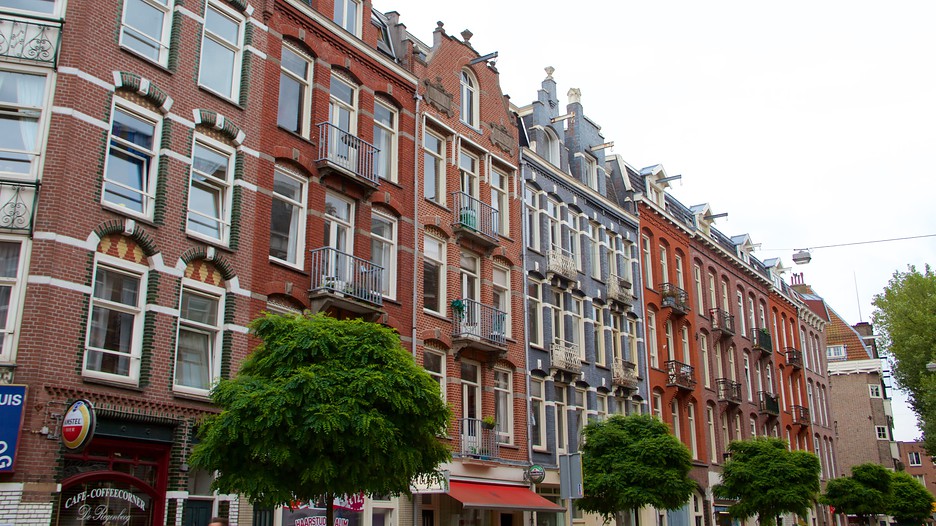
Sarphatipark

By  

De Pijp’s green oasis is the perfect place to relax in the warm sun, picnic with purchases from Albert Cuyp Market and enjoy the colors of Dutch blooms.
Sarphatipark is certainly one of the most beautiful of Amsterdam’s parks. It was designed to reflect formal English gardens. Enjoy its interesting follies, from little bridges over duck-filled ponds to the heritage pump station and gardener’s shed complete with flower-topped roof.
The park was named after the doctor and philanthropist, Samuel Sarphati. Its centerpiece is an ornate 19th-century monument erected in his memory. The bust of the Jewish doctor, who was at the forefront of health innovations and city planning in Amsterdam, was removed during Nazi occupation of the city. When Amsterdam was liberated, Dr. Sarphati’s bust returned to its place overlooking the weeping willows, lakes and brilliant flowerbeds of the park. Look for this lasting symbol of the resilience of the community despite the ravages of war.
The houses overlooking the park date from around Dr. Sarphati’s era and are notable for having housed the studios of several famous artists, including Piet Mondrian. Find his modernist works of striking colors and strong brush strokes in the Gemeentemuseum in The Hague. Look around the area to identify what he might have found as inspiration for his art.
The park’s location near some of the best coffee spots in Amsterdam and the food stalls of Albert Cuyp Market makes it a popular place for an impromptu picnic. Gather coffee, a round of truffle edam cheese, an assortment of fruit and some fresh baked goods from the market and enjoy a picnic on the green grass. In summer the lawns are dotted with local residents soaking up the sun’s warmth or whiling away the warm evenings. There are even plastic groundsheets available in the park if you’ve forgotten your picnic blanket.
Families traveling with children will appreciate the park’s fenced playground. Bars and restaurants encircle the area along Ceintuurbaan. Use Trams 3, 4 or 25 to reach Sarphatipark easily from throughout the city.
Read More
Unknown

De Pijp

By  

Thought to be named for its long, straight streets, this district was once the residence of artists such as Mondrian and is now one of Amsterdam’s trendiest spots.
Wander amid the weeping willows and brilliant flowerbeds of Sarphatipark, take in the bustle and bargains of the Albert Cuyp Market, shop at intriguing antique stores, pop-up shops and unusual boutiques and taste some of the foodie delights Amsterdam’s many migrant groups have brought with them to De Pijp.
Amsterdam’s “Quartier Latin,” De Pijp, has retained the ambiance and charm of its bohemian days when students and artists flocked to the low-cost accommodations of the former working-class quarter. Mondrian, famous for his modern artworks of black lines and blocks of primary color, worked in an attic room of De Pijp. Note that many of the streets are named after famous Dutch artists to reflect the district’s history.
The name De Pijp translates to “the pipe.” It is divided into Oude Pijp ("Old" Pijp) and Nieuwe Pijp ("New" Pijp) by the long Ceintuurbaan street, which is lined with 19th-century houses, cafés and gourmet restaurants. Have coffee in a former movie cinema, shop in a supermarket where products are grouped by recipe and enjoy fresh salads at one of the vegan cafés.
Some of Amsterdam’s best known and inexpensive Turkish, Surinamese, Moroccan and even Nordic restaurants are located in De Pijp. Seek out the multicultural shops and restaurants hidden behind the many stalls of the Albert Cuyp Market. Albert Cuypstraat is a street worth checking out for people-watching and observing humorous exchanges between stallholders and market-goers.
If you’re traveling with kids, head to the Sarphatipark’s playground or take them to the Kinderboerderij de Pijp in the Nieuwe Pijp, where they can pet pigs, rabbits, guinea pigs and chickens and enjoy farmyard activities.
When the sun sets, listen to live music at the former bathhouse De Badcuyp, now a music club and restaurant. Immerse yourself in beer history at the interactive Heineken Experience, housed in the former brewery, before a pub crawl through the backstreets of De Pijp. Find charming pubs with literally hundreds of beers on their menus. Though not nearly as famous as the Red Light District in de Wallen, De Pijp even has its own red light area along Ruysdaelkade.
Read More
Unknown

Hippodrome (Hipodrom)

By  

This city square once was the chariot racing and ceremonial hub of old Constantinople, and is still a popular meeting place.
The old Hippodrome (Hipodrom) of Constantinople is now a landscaped city park that is locally known as “At Meydani” (Horse Grounds). The square is well worth a visit if you want to enjoy the Mediterranean climate of Istanbul and see a glimpse of the old Constantinople at the same time.

Constructed in its original form in the third century, the Hippodrome’s race track once welcomed over 100,000 spectators who watched the chariot races from surrounding galleries. Court ceremonies, parades and coronation events also took place here under Byzantine Imperial rule.

Much of the original Hippodrome has been lost, but you can still follow the original path of the race track, which is now clearly paved. Admire one of Istanbul’s oldest monuments: the Obelisk of Theodosius. It was built in ancient Egypt before being brought to Istanbul by emperor Theodosius the Great the end of the fourth century.

An even older column that still stands on the Hippodrome is the Tripod of Plataea, better known as the Serpent Column, which commemorates the Greek victory over the Persians in 480 B.C. This bronze tripod was taken from Delphi by Emperor Constantine and brought to this site while he renovated the existing Hippodrome as part of a general expansion of the city.

Head to the northern side of the square to find a more modern, European addition to the Hippodrome: A gazebo known as “The Kaiser Wilhelm Fountain.” It was a gift from Germany and erected in 1900.

The Hippodrome was famously the site of seven statues built in honor of the legendary Roman charioteer Porphyrius. The bases of two are still displayed in the nearby Istanbul Archaeological Museum, which also houses one of the serpent heads of the Tripod of Plataea.

The Hippodrome lies at the heart of Istanbul’s historic district in the Old City and is close to other main attractions such as the Hagia Sophia. As a public garden square, the site of the old Hippodrome is well worth a visit to bask in the Istanbul sunshine and enjoy a glimpse into the life and leisure of the old Constantinople.
Read More
Unknown

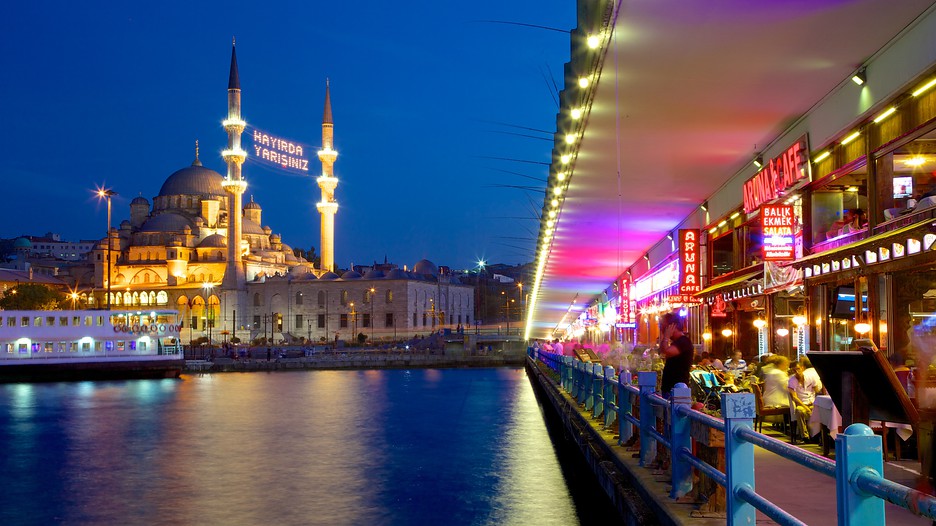
Blue Mosque (Sultan Ahmed Mosque)

By  

The nickname of this 17th-century structure refers to the brilliant color of its tiled interior.
As one of the most striking features of the Istanbul skyline, the Sultan Ahmed Mosque is awe-inspiring in size and scope. More often called the Blue Mosque, it was built under the rule of Sultan Ahmed I of the Ottoman Empire and completed in 1616. The original architect’s vision was to build a great religious site with prominent Islamic features.

Walk from the Hippodrome to get a captivating view of the Blue Mosque. Gaze up at the six tall minarets and the terraced domes that rise up to the building’s center and you will see that the designer succeeded splendidly in his efforts to impress.

Pass through the stone wall that surrounds the mosque into the courtyard. During the fasting month of Ramadan this courtyard is buzzing after sunset. Inside, the mosque houses the tomb of its founder, who died just a year after his masterpiece was completed. Inspect the madrasa, used as theological school, and the hospice. The most striking feature, however, is the tiled interior: More than 20,000 blue ceramic tiles with over 50 different tulip designs gave this mosque its nickname.

The upper reaches of the building are painted blue and the sunlight is shattered by hundreds of stained-glass windows, a mesmerizing sight.

The Blue Mosque is only a short walk from the Sultanahmet light rail and metro station in the Old City. Entry is free, but as in any religious building, respect and discretion are expected from all visitors. Be quiet, and remove your shoes and put them in the plastic bag provided at the entrance. Females are asked to cover their heads and scarfs are available at the entrance. Flash photography is prohibited. If you wish, you can make a donation to help pay for the maintenance of the Blue Mosque as you leave.

The Blue Mosque still functions as a place of worship, so its doors are closed to non-worshippers during the five daily prayer times. On summer nights you can listen to a historical presentation and watch a spectacular light show. Check the official website for the best time to visit.
Read More
Unknown

Istanbul Vacation Packages

By  
Turkey’s largest city is both European and Asian and has been part of many empires. As a result, Istanbul is modern and traditional, familiar and exotic.
It is Istanbul’s unique blend of Western and Eastern heritage and culture that attracts tourists from all over the world. Experience the comforts of modern Turkey in its malls, galleries and clubs, and the delights of traditional Turkish bazaars, palaces, taverns and mosques. Istanbul’s natural beauty, with pleasant Mediterranean climate, completes its glorious appeal.

Located on the Bosphorus Strait, Istanbul has the Sea of Marmara to the south and the Black Sea to the north. Istanbul connects Europe with Asia and this strategic position evoked many power struggles. Under its previous names of Byzantium and Constantinople, Istanbul served as the capital of the Roman, the Byzantine, the Latin and the Ottoman empires and was once also the capital of Islam. The Turks started to call it Istanbul, a name that was made official when the Turkish Republic was proclaimed in 1923.

The Sultanahmet peninsula, which is home to the Old City, reflects Istanbul’s diverse political and religious past, particularly in the architecture. The iconic Hagia Sophia (Ayasofya), for example, was once a Christian cathedral and later a mosque. Visit the nearby Topkapi Palace (Topkapı Sarayı), Hippodrome (Hipodrom) and Blue Mosque (Sultan Ahmed Mosque) and save some of your liras for the souvenirs in the Grand Bazaar (Kapalı Çarşı). Get a bird’s-eye view of it all from the top of the 14th-century Galata Tower (Galata Kulesi) or visit nearby Miniatürk to see miniature versions of all these buildings. Cool off in the underground Basilica Cistern.

Cross the Galata Bridge, spanning the Golden Horn, to visit Taksim Square and the New City. Enjoy modern skyscrapers, nightclubs and shopping malls and watch hip youngsters mingle with businessmen.

Buy an Istanbulkart, for easy access to all public transport; the ferry is a good way to see the Beylerbeyi Palace across the strait.

Over 13 million people live in Istanbul, making it Europe’s most populous city, and it’s easy to see what the attraction is. Istanbul’s fusion of East and West, reflected in the culture, architecture, art and cuisine is truly unique.
Accommodation in Istanbul
Istanbul is known as a popular place to visit, with as many as 1317 Istanbul places to stay presented on Expedia's website.
Kick-off your quest for your ideal Istanbul accommodation by looking into the latest offers at the high-rating WOW Airport Hotel, at Istanbul World Trade Center, and the Swissotel The Bosphorus Istanbul, at Bayildim Cad. No: 2 Maçka Besiktas. If those options don't fit the bill, why not check out the Doubletree By Hilton Istanbul Old Town, Ordu Cad No:31, Beyazit, and the Hilton Istanbul Bosphorus, Cumhuriyet Caddesi.
A highlight of any stay in Istanbul is Hippodrome. If you decide it is easier to find accommodation in the vicinity of Hippodrome, the Ascot House and the Sirazli Apart Hotel are both within walking distance.
Read less
Read More
Unknown

Darwin Vacation Packages

By  

Located in the tropical “Top End” of Australia, Darwin is a good base from which to explore the great outdoors and view Aboriginal rock art.
Feed crocodiles, take a cruise on the harbor at sunset, learn about Aboriginal culture, or enjoy a night out in the tropics in Darwin, the Northern Territory’s capital city.

Darwin was founded in 1869. It was named after the English naturalist Charles Darwin by his fellow explorers, who navigated the Timor Sea aboard The Beagle. The city’s recent past has been tumultuous. Darwin was bombed during World War II, and in 1974 a cyclone destroyed it all over again. About 150,000 people call modern-day Darwin home, including some of the territory’s traditional owners, the Larrakia people.

It’s best to visit Darwin from May to September, when it’s not too hot or too wet for outdoor activities. On a Thursday or a Sunday, visit the Sunset Markets on Mindil Beach. On any day, enjoy a harbor cruise from Stokes Hill Wharf, or a movie under the stars at the Deckchair Cinema.

Although the beaches look tempting, don’t jump in anywhere to cool off: crocodiles are abundant in the area. If you’d like to meet a few, visit Crocosaurus Cove and Crocodylus Park. For a safe swim, head to the huge Darwin Wave Lagoon.

Book a tour or rent a four-wheel-drive car and explore the iconic Australian outback in Kakadu, the country’s largest national park. Be sure to bring your binoculars to spot wallabies, swamp birds, reptiles and dingoes. Hike around and find waterfalls to swim under or ancient Aboriginal rock art depicting Dreamtime stories.

Darwin’s turbulent history and dynamic art scene provide plenty to do during the wet season. Get insight into Aboriginal culture at the Museum and Art Gallery of the Northern Territory. To learn about the 1942 bombings, immerse yourself in the Defence of Darwin Experience or see an American B-52 bomber at the Australian Aviation Heritage Centre.

This tropical city is unlike any other city in the world. Come to Darwin to experience the true Australian wilderness and the long, developing story of humankind’s relationship with the Territory’s unique natural environment.
Read More
Unknown

Yellow Water Billabong

By  
Experience quintessential Kakadu in these diverse wetlands, where you can spot kingfishers, crocodiles and dazzling constellations from a cruise ship.
Experience the serene beauty of Kakadu's most famous billabong. Take a peaceful wildlife-spotting cruise, fish for billabong barramundi or marvel at the spectacular night-time starscape above.
Located at the end of Jim Jim Creek, the Yellow Water Billabong is fed by one of Kakadu's most iconic gorges. This ecosystem is home to a huge range of bird, fish and amphibian species, as well as a host of cruising crocodiles.
Delve into Yellow Water's enchanting beauty on the Yellow Water Cruise. This award-winning tour leaves several times a day, with the most popular trips being the sunrise and sunset cruises. Admire vistas of mangrove trees, water lilies and flooded grasslands lit up by the golden sun. Trips last around 90 to 120 minutes. Book in advance to ensure a seat.
The billabong is home to a wide variety of bird life and water-dwelling creatures. Look out for the five species of kingfisher that swoop to catch fish from the shallows. Ducks and geese are also abundant in this fertile region, as are buffalo grazing in the flood plains.
For an unforgettable experience, take the midnight cruise and see Yellow Water under the stars. Local Aboriginal guides will point out constellations and tell stories about the different meanings that have been passed down from previous generations.
Take a day for a Yellow Water fishing tour. Learn how to tie the best lure for catching Yellow Water barramundi with experienced guides and enjoy the tranquil locale while you wait for a bite. If you catch a big enough fish, you can take it home to cook later. These tours provide all the necessary equipment and operate all year.
Ask Aboriginal guides about their ancestors’ lifestyle amid the billabong's flora and fauna. Take the Kakadu Animal Tracks Safari to learn how to make bush tucker from water lily roots or bush carrots.
The Yellow Water is a 20-minute drive from Cooinda Lodge. Get there via shuttle bus, which is included in the cruise price.
Read More
Unknown

Kakadu National Park

By  
This protected expanse of grassy plains, maroon-coloured cliffs and monsoon rivers offers some of the best hiking, boating, and camping opportunities in Australia.
Experience one of Australia's best natural reserves at Kakadu National Park. Hike through sheer red-rock gorges, camp amid local wildlife or watch powerful storms roll across the sky during the wet season.
Before beginning your trip, stop by the Bowali Visitor Centre. Plan your adventure with the center’s maps while you sip a cool drink.
The South Alligator and Jabiru regions offer enchanting Australian scenery. Enjoy views of billabongs and woodlands along the Gungarre trail, a 2.2-mile (3.6-kilometer) walking circuit that takes around 2 hours. You can try bird watching with a guide around the Mamukala Wetlands or the Manngarre Rainforest.
Take a daytrip to Jim Jim Gorge in the early dry season and photograph its dramatic waterfall. Nearby, the Twin Falls and Barrk Malam trails offer sweeping views of the red-earth countryside.
Hike to Nourlangie or Naguluwurr and see ancient Aboriginal rock art. Learn about the meanings of these inscriptions and traditional Aboriginal hunting techniques at the Warradjan Cultural Centre. Stay in overnight campsites nearby with toilet facilities and drinking water sources.
In the wet season, abundant rains fill Kakadu's gorges to capacity. Though many walking trails become inaccessible, the rains open Aurora Kakadu South Alligator as a delightful swimming location. Walk around the Gubara Pools and spot fish darting between the reeds.
Board the Guluyambi River or Yellow Water cruises and spot wildlife among the floodplains. Take a plane tour of the Kakadu Region and capture birds-eye views of waterfalls in full flow.
As afternoon falls, hike to the Bukbukluk Lookout and watch storm clouds rolling overhead. Camping sites during the wet season are limited, but available.
The drive to Kakadu from Darwin takes around a day. Entry to Kakadu National Park requires a reasonably priced pass.
Food, four-wheel drive rentals and tourism operators can be found at the town of Jabiru, on the Arnhem Highway. Dry season lasts from May to October, while the wet season hits its peak in December.
Read less
Read More
Unknown

Alcazaba

By  
Explore the lavishly decorated residence of Moorish sultans and other rulers in this thousand-year-old fortress built on the remains of a Roman settlement.
Built between the eighth and 11th centuries this palatial fortress was named Alcazaba, the Arabic word for citadel. The military-style structure was fortified with double stone walls and tall towers, erected to see enemies approach. Take a historic journey by entering through the fortress’ magnificent gates and explore gardens, towers and patios. From the Maldonado Tower (Torre de Maldonado), you can see all the way to Africa on a clear day.
The Moors built the Alcazaba on the site of a ruined Roman town on Mount Gibralfaro. Several Muslim sultans and successive rulers called it home. Just outside of the entrance is a first-century Roman amphitheater, which was uncovered in 1951. 
Enter the outer citadel on the Plaza Aduana side by passing through the vaulted gate. Visit the chapel called the Tower of Christ and stroll through the gardens of the Plaza de Armas. 
Step through the Puerta de los Cuartos de Granada into the inner citadel. Cobblestone paths lead you through lavish courtyards with ornate fountains. See the complex water systems that were used to channel water throughout the grounds. Admire the intricate 16th-century carved wooden ceiling in the Mudéjar Armory Tower. Move on to the Maldonado Tower with its original marble columns and Moorish arches. 
Don’t miss a visit to the on-site museum with a collection of archeological finds from the palace, which include Phoenician, Roman and Moorish ceramics. Return to the Old Town by taking the elevator down to the Calle Guillen Sotelo.

You can visit the Alcazaba from Tuesday to Sunday until the early evening, but it is closed on New Year’s Day, February 28 and Christmas Day. There is a very small admission fee and children under 16 pay even less. On Sunday afternoons you can enjoy an hourly free tour of the fortress. 
Purchase a combination ticket to get discounted access to Gibralfaro Castle, which is connected to the fortress by a passageway.
Read More
Unknown

Malaga Old Town

By  
Explore the city’s historic center to see palace fortresses, a leafy promenade and the birthplace of Pablo Picasso.
Malaga’s historic center, with its monuments and winding streets, is an inviting place for a leisurely stroll. In this small pocket of the city, Malaga’s rich history becomes touchable. Buy an espresso and a handful of Spanish churros (sweet deep-fried pastries) from a street stall and set out exploring. You’ll see ancient Roman, Moorish and Andalusian Christian relics all within a few city blocks.
Follow the curving waterfront paths past the exotic plants and trees of the central communal space called Paseo del Parque. This promenade-turned-park is also the Old Town’s major transport hub and metro buses frequent the long promenade. Rising up from the east end of the park is the impressive Plaza de Toros, Malaga’s historic bullring, which is still in use today.
Leave the park at its northern end to reach the regal fortress, Alcazaba. If you feel fit, walk the steep steps to the towering Gibralfaro Castle to be rewarded with a magnificent view across the city and the Alboran Sea. There are also taxis and buses that drive to the top of the mountain, so there is no need to work up a sweat.
Wandering back down the hill, stop by the Malaga Ampitheatre near the entrance of Alcazaba. This ancient amphitheater dates back to the first century B.C. and is the city’s oldest monument. From here, follow the winding streets west, to see the Renaissance-style Malaga Cathedral.
Finish off your exploration with a Spanish sherry or a spicy sangria and watch the sun set over the terra-cotta tiled roofs of Malaga city.

At night, visit the heart of the Old Town where a lively dining scene unfolds. The narrow, curving one-way streets are dotted with restaurant terraces. Let the charming waiters tempt you to take a seat and order some Andalusian seafood dishes. Until late at night the tapas, paella and fried fish are being brought out to hungry visitors with typical Spanish flair. 
The pedestrian-friendly Old Town is best explored on foot but is also serviced by Malaga’s affordable metro buses.
Accommodation in Malaga Historic Centre
Secure a reservation for one of the 31 Malaga Historic Centre hotels available through Expedia's Malaga Historic Centre accommodation site before you leave.
At the premium end of Malaga Historic Centre's options, you can book a few nights at the Vincci Seleccion Posada del Patio, at Pasillo Santa Isabel no. 7, or the Molina Lario, at Molina Lario 20-22. If you find that those two options don't quite match your requirements, the Hotel Petit Palace Plaza Malaga or otherwise the AC Hotel Malaga Palacio by Marriott may offer all the guest amenities you need.
Read More
Unknown

Barcelona !

By  

Résultat de recherche d'images pour "barcelone"

Visit the City of Counts
Barcelona is a lovely city situated on the coast of Spain. It is the 16th most visited city in the world, and the fourth most visited city in Europe. People love taking vacations in Barcelona thanks to the city's beautiful beaches, lively nightlife scene, great hiking, delicious cuisine, UNESCO World Heritage Sites and excellent museums. Fashionistas will especially love Barcelona, which is the seventh most important fashion capital in the world. Get ready to eat, drink and shop your way through this fabulous city by booking your cheap flights to Barcelona on Expedia today.
Airports in Barcelona
Most flights to Barcelona land at Barcelona Intl. Airport (BCN), also known as Barcelona-El Prat Airport. It is located in southwestern Barcelona. BCN is the second largest airport in Spain, the ninth busiest airport in Europe and the 31st busiest airport in the world. Airlines that have a major presence at BCN include Vueling, Ryainair and Iberia Regional. Some Barcelona flights land at Sabadell Airport, which is located in the town of Sabadell, and Girona-Costa Brava Airport, which is located near the city of Gibrona.
Book your flight with Expedia
Expedia lets you search across the largest number of airlines and flights, which means that you'll be able to find great flight deals at the perfect travel date and time. There's simply no substitute for great prices suited to your flight needs and backed by excellent customer support.
Tips on booking your Barcelona airfare
Tickets to Barcelona are popular during the high season months of March to August. During the summer, the weather is fantastic, and there are plenty of fun events going on. The shoulder season is from September to October, and the low season is from November to December. If you can't afford to visit Barcelona during the summer, then definitely visit during the fall; you may have missed all the summer events, but there are still plenty of events going on in the fall. To save the most money, however, visit Barcelona during the winter; the weather's not that bad, and the city will be empty. To save even more money, consider booking your flights on weekdays and not weekends. Try getting flights with layovers instead of direct flights, and consider landing at a smaller airport located outside of Barcelona instead of Barcelona's main airport.
Read More
Unknown

National Monument

By  

Once a camping spot for hippies, the huge monument in Dam Square commemorating those who have fallen in war is now Amsterdam’s center of the annual Remembrance Day.
As you emerge from the Red Light District or Chinatown onto the eastern side of Dam Square, notice the huge National Monument. Unveiled in 1956 by Queen Juliana of the Netherlands, the multi-faceted monument is dedicated to those that died in World War II.
The monument’s main pillar features emotive representations of Dutch Resistance members, the working class and intelligentsia. Take a closer look at the monument’s wall and you’ll see the 12 urns which contain soil from execution grounds, burial sites of war dead and Indonesia (formerly the Dutch East Indies). Lions, the symbol of the Netherlands found on everything from flags to banking logos, flank the wall.
If you’re visiting the Netherlands in May, head to Dam Square to participate in Remembrance Day on May 4, when the king lays a wreath at the monument. This event commemorates not only those who fell during World War II but also Dutch nationals lost in other conflicts and peacekeeping missions. Liberation Day, the following day, marks the end of Nazi occupation in the Netherlands.
In the 1970s, the monument, a sign of liberty and freedom, became a hangout for hippies, who occupied the square and slept beneath the huge sculpture. It happened so regularly that the term “Damslapen” (Dam-sleepers) was used to refer to the squatters, who were eventually moved out by local authorities. This little quirk in the history of the Dam was captured incidentally in the 1971 film Puppet on a Chain as a character walks through the crowd of hippies. Rent the movie before you visit Amsterdam to look for familiar spots.
These days the National Monument is frequently occupied by hundreds of multicolored bicycles of local residents and tourists visiting the Palace, Madame Tussauds Wax Museum, the Nieuwe Kerk and famous shopping streets around the Dam. Enjoy the busy square and view the monument from the many sidewalk cafés and restaurants. In an alley behind the monument you’ll find Wynand Fockink, one of the city’s historic distilleries and bars where you can try the fruit liqueurs and aged jenever, also known as Dutch gin.
Read More
Unknown

Volendam Harbour

By  

Head to the town’s esplanade for cafés and restaurants with fresh fish, views over the water and shops where you can photograph yourself in traditional costumes.
The liveliest place in the old fishing village of Volendam is its harbor full of historic sailing ships. Here you’ll find cafés where you can relax on a sunny afternoon and visit stalls selling salted herring, smoked eel and kibbeling. See Volendam Harbour’s traditional triangle-shaped architecture and forest of sailing ship masts which make it seem miles away from Amsterdam.
This town was originally the harbor of nearby Edam, but in the 14th century the Edammers dug their own canal to the Zuiderzee. Notice that the original harbor was reclaimed by damming and became the fishing village of Volendam, complete with its own traditions and culture.
If you have ever wanted to know how you’d look in a traditional Dutch costume, Volendam is the place to find out. Along the harborfront are shops where you can try on and photograph yourself in the Volendam style of “klederdracht,” complete with pleated hat and clogs for the ladies and wide-legged pants for the men. If you’re not interested in dressing up yourself, find plenty of photo opportunities with the many statues in the harbor depicting Volendammers in historic dress.
Walk just behind the harbor to the Volendams Museum where you can learn about the history, costumes and culture of the area between 1850 and 1950 in rooms decorated in period furniture.
If you have time, take the ferry from the harbor to the village of Marken. After a 13th-century storm, it became accessible for hundreds of years only by watercraft. Now it is joined to Waterland south of Volendam by a dike.

Having been isolated for so long, Marken maintained traditional culture and architecture much longer than did other mainland towns. Inhabitants developed their own traditional costumes and unique houses on stilts to deal with regular flooding. Walk along the island’s beach to see the lighthouse, built in 1839. When you get hungry, visit one of several restaurants around the ferry terminal. Try the local delicacy of smoked eel.
Be sure to visit Volendam Harbour and Marken for traditions, food and culture that you’re not likely to see in many other places.
Read More
Unknown

Rijks museum

By  

This palatial building full of Dutch paintings and international artifacts is the country’s largest public-funded museum.
To understand how the tiny country of  the Netherlands became a world superpower through both art and trade, visit the Rijksmuseum. Browse through over a million works of art and historical objects in more than 200 rooms. You’ll see famous paintings by Rembrandt and Vermeer, among hundreds of other artists, and admire the ornate building itself.
The Rijksmuseum was established in 1800 and moved to its present location in 1885. The celebrated Dutch architect Pierre Cuypers designed the ornamental building with Gothic and Renaissance influences. It houses the country’s finest art collection and underwent years of restorations with the main hall reopened to the public in April 2013. Be sure to take in the tiled depictions on the outside façade, and the palace-like interior with vaulted ceilings, mosaic floors and stained glass.
The vast collection of Dutch Golden Age art is awe-inspiring, easily taking a morning or afternoon to explore. The museum’s most prized collection is a group of paintings by Rembrandt van Rijn, including his colossal masterpiece Night Watch, which depicts a group of military guards that appear to be poised to jump off the canvas. A far more peaceful scene is the Milk Maid by Johannes Vermeer.
This museum includes far more than Dutch paintings. The collection of Asian art has 8,000 objects, ranging from paintings, prints and sculptures, to lacquer boxes, jewelry and tea bowls. Other collections include nearly 1,000 Western sculptures, a history of Dutch interior design, and some 10,000 fashion items, from tunics to pocket watches.

Set aside at least half a day to see the major works at the Rijksmuseum. Buy your admission tickets from the official website to avoid waiting in line.
Rijksmuseum is located between Stadhouderskade and Museumplein and is open daily, except on New Year’s Day. There are many public transport options. The hop-on, hop-off canal boat tours stop directly in front of the museum. There are parking lots in the city center, but spaces are limited.
Read More
Unknown

Anne Frank House

By  

See where this brave and famous Jewish teenager hid from the Nazis during World War II and recorded her world-famous diary.
A visit to the Anne Frank House is a sober yet enlightening experience. The life story of Anne Frank has become one of the most famous accounts of a Jew hiding in Nazi Germany. Anne’s diary, which she started in 1942 when she was 13, is the most translated Dutch book of all time. Its first translation was in German, in 1950.
Anne Frank’s original diary is on display in the museum and so is the tiny attic where she spent most of the war. The two families in hiding were discovered in 1944 and sent to concentration camps. Only Anne’s father survived the ordeal and set out to publish the diary of his youngest daughter so their plight wouldn’t be forgotten. About 107,000 Dutch Jews were deported during the Holocaust and less than five percent returned. One of the brave people who helped Anne’s family hide saved her diary from the ransacked shelter.

Visit the cramped shelter in the old canal house, which is part of the museum. The attic’s stairs were hidden behind a bookshelf, which is still there. The rooms are littered with poignant reminders of the war. Look for the map on which Anne’s father Otto recorded the progress of Allied troops who freed the Dutch in 1945.
A modern annex houses most of the exhibits and a bookshop. Buy an English edition of Anne’s diary and see the Dutch original in the Diary Room, along with Anne’s short stories and a notebook of her favorite quotes. The introductory movie with war images tells a horrific story and may be too upsetting for some.
The Anne Frank House is located on the Prinsengracht and can be reached by taking a tram, canal boat or bus to Westermarkt. It’s also a 20-minute walk from Dam Square. The house is open daily and there is usually a long line for entrance. Make sure you come early or pre-book your tickets through the official website. Photography is prohibited.
Read More